
Fleet technology
Geotab connects fuel-card authorization with live vehicle data
· Source: Geotab announcement
Geotab announced a fleet card developed with AtoB on October 1. The product connects vehicle location and fuel-level information with payment authorization, aiming to help eligible U.S. fleets control purchases and find lower-cost fuel.
Summary and practical context by RoadHouse Recruiting · Reviewed
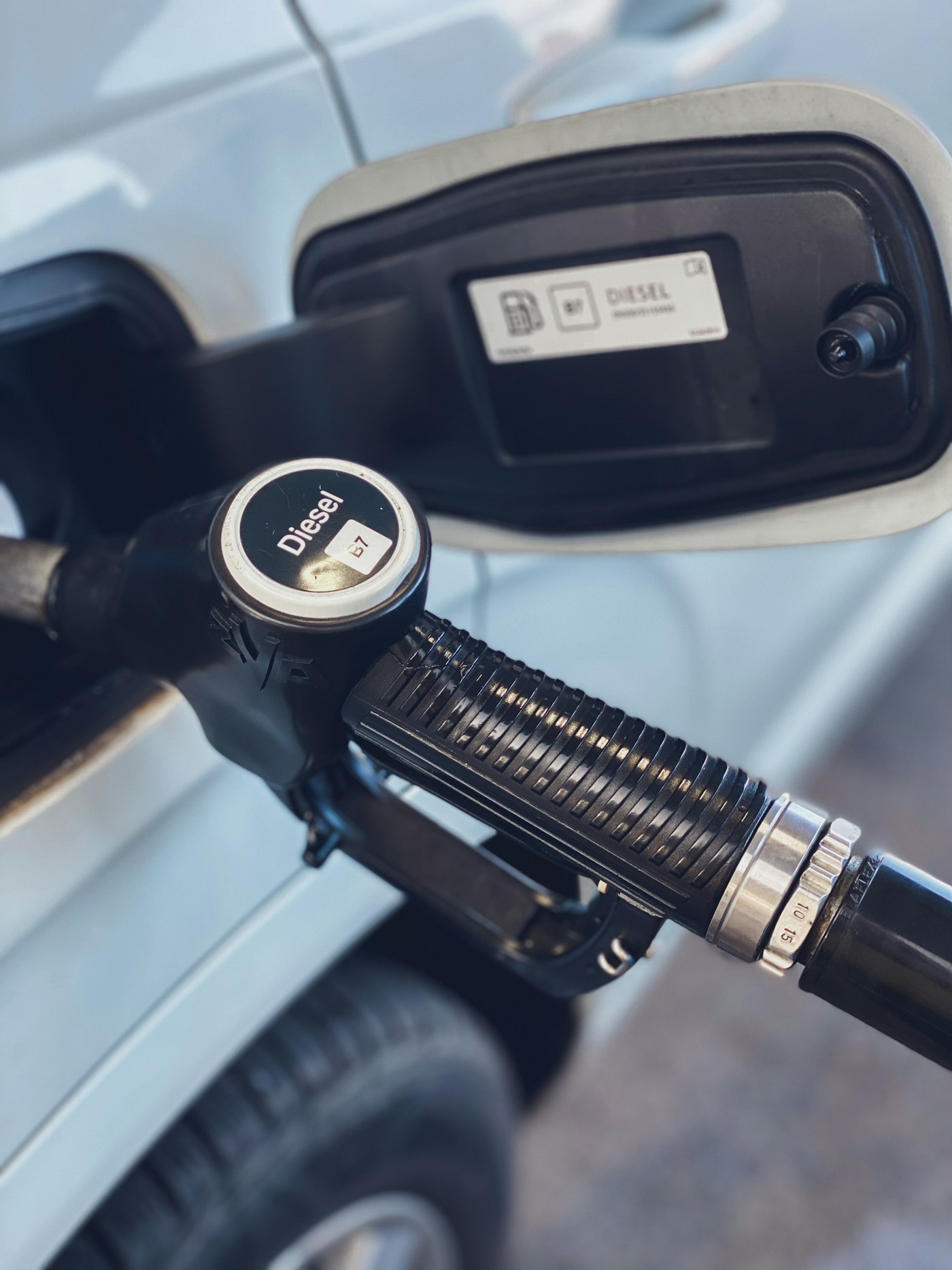
How the announced card works
Geotab says a driver unlocks the card through the Geotab Drive app while parked at the merchant. Authorization checks vehicle proximity, merchant coordinates, and fuel level. A purchase can be declined when the vehicle is absent or its tank cannot accommodate the requested fuel. AtoB and its bank partners issue and operate the card; Geotab integrates the vehicle information.
What the company’s numbers do and do not show
Geotab’s analysis of 419,000 diesel fill-ups across 660 U.S. fleets found price differences as large as 77 cents per gallon within the same town. The company also describes a fraud guarantee of up to $250,000 for eligible, telematics-verified transactions. These are company-reported findings and product terms, not independently measured savings for every fleet. Eligibility, exclusions, and claim procedures still apply.
Prepare drivers for the authorization process
RoadHouse perspective: before deploying a payment tool, explain who activates the card, how a vehicle is assigned, and who handles a declined transaction. Drivers need a clear support contact and an approved fallback process. A control that is useful to accounting should also be understandable at the pump. Avoid treating an unexplained decline as evidence of wrongdoing; first check the vehicle assignment and transaction information.
Measure the whole fueling decision
RoadHouse perspective: compare the net price after applicable discounts with the cost of reaching the station. A cheaper pump can lose its advantage if it requires a long detour, extra driving time, or a missed appointment. Consider truck access and safe parking as part of the route decision. The right comparison is the complete stop, rather than the advertised price alone. No single station or payment product will fit every operation.
Questions to settle before adoption
RoadHouse perspective: ask how vehicle information is used, how incorrect data can be corrected, and who can review transactions. Confirm card terms and operational costs directly with the provider, then assess the product against your existing process. A pilot with a defined group of vehicles can help a fleet evaluate support needs and actual spending patterns. RoadHouse is reporting the announcement, not endorsing the product or promising a financial result.
Understanding the update
Payment controls increasingly connect a transaction with the truck that is supposed to make it. The operational value depends on accurate vehicle information, clear driver instructions, and a workable support process.
What it means for drivers and carriers
Evaluate authorization controls alongside driver support, net fueling costs, and the provider’s actual terms.
Questions to consider
- What should a driver do if an authorized purchase is declined?
- How are vehicle assignments and fuel-level errors corrected?
- Does the lower pump price still save money after the detour?
Read the original reporting
This page provides an original summary and practical commentary. The linked source contains the full reporting. Older stories reflect information available on their published dates.
Read the source at Geotab announcement ↗ (opens in a new tab)