
Ocean Freight & Energy
Tanker costs trap heavy crude in the Americas despite diesel demand
· Source: Reuters
Soaring ocean-freight costs and near-full U.S. refinery utilization are causing heavy crude to accumulate in North and South America, Reuters reported. Shipping a supertanker from the U.S. Gulf Coast to Asia cost more than $80 million, or about $40 per barrel, last week.
Summary and practical context by RoadHouse Recruiting · Reviewed
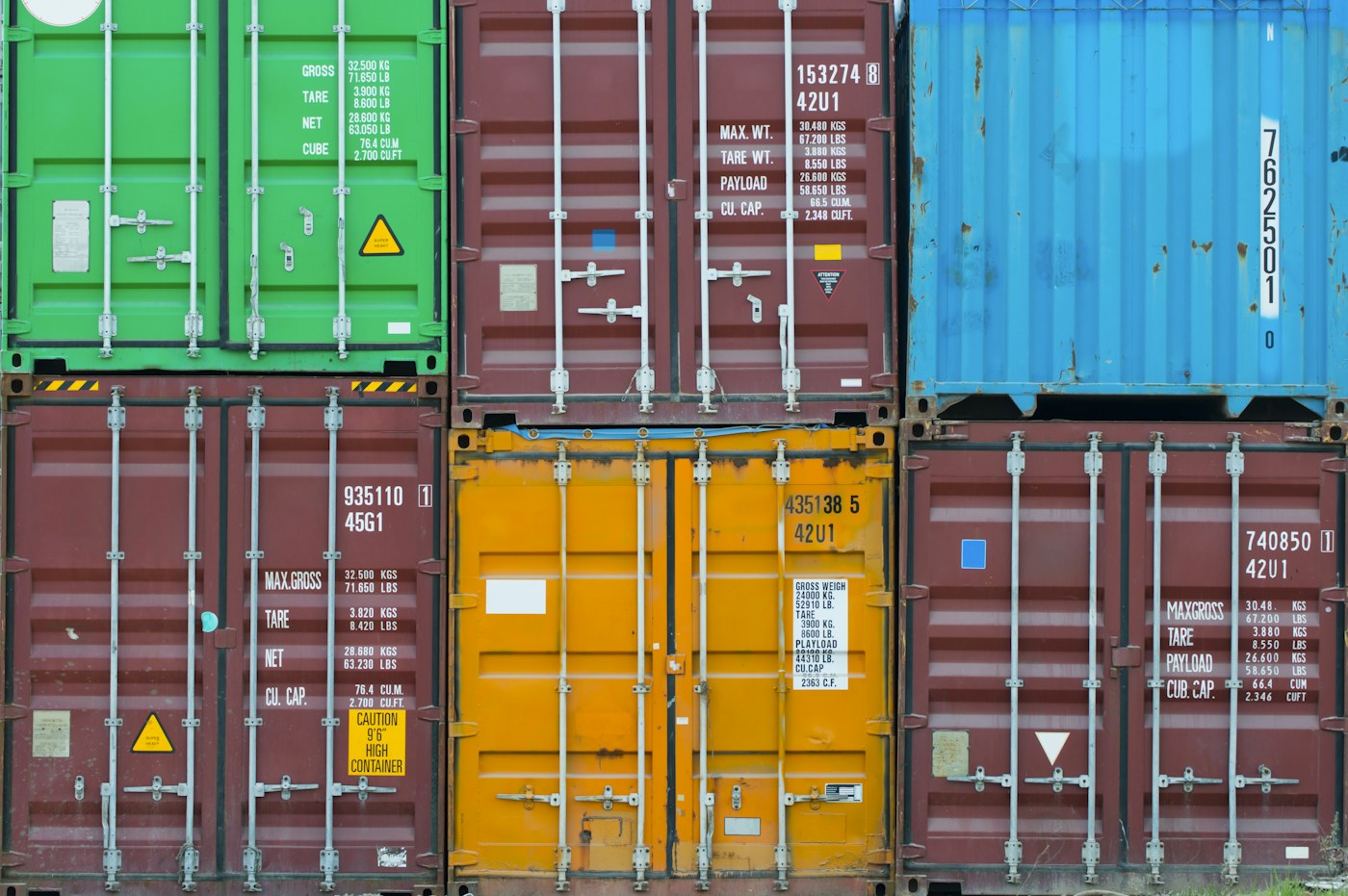
Freight is blocking otherwise economic exports
The cost of moving a supertanker from the U.S. Gulf Coast to Europe was estimated at about $46 million last week, versus roughly $6.5 million before the Iran war. Rates to Asia exceeded $80 million as ship-to-ship transfers in the Gulf of Oman tied up vessels and reduced available tanker capacity.
Refineries have limited room to absorb the surplus
U.S. refineries have operated at an average 93.5% of capacity this year, the highest level in 28 years, according to EIA data cited by Reuters. Heavy-crude grades from Canada, Colombia and Ecuador have fallen by more than $10 per barrel over six weeks even as diesel markets remain tight.
Why it matters to U.S. logistics
When exports become uneconomic, crude can shift into storage and change activity at Gulf Coast terminals, pipelines and refineries. Carriers should treat this as an ocean-energy supply-chain development, not a truckload-rate signal or a guarantee of lower diesel prices.
Understanding the update
Reuters published the report on October 12. The tanker quotes describe a volatile market snapshot, while the refinery-utilization figure is an average for 2026; neither is a new regulation.
What it means for drivers and carriers
Watch Gulf Coast storage, terminal throughput and refinery flows: sustained tanker scarcity could reshape regional freight activity without quickly lowering diesel costs.
Questions to consider
- Are storage and terminal volumes rising near Gulf Coast refinery hubs?
- Will exporters redirect heavy crude to shorter routes or smaller vessels?
- How long will tanker availability remain constrained?
Read the original reporting
This page provides an original summary and practical commentary. The linked source contains the full reporting. Older stories reflect information available on their published dates.
Read the source at Reuters ↗ (opens in a new tab)