
Ocean Freight & Supply Chain Risk
Phased Suez return adds vessel capacity while trans-Pacific rates stay elevated
· Source: FreightWaves / Freightos
Container lines are restoring more services through the Suez Canal, shortening voyages and potentially releasing effective vessel capacity. At the same time, Freightos data cited by FreightWaves put Asia–U.S. West Coast rates at $8,126 per FEU and East Coast rates at $9,700, showing that added network capacity has not yet produced broad trans-Pacific price relief.
Summary and practical context by RoadHouse Recruiting · Reviewed
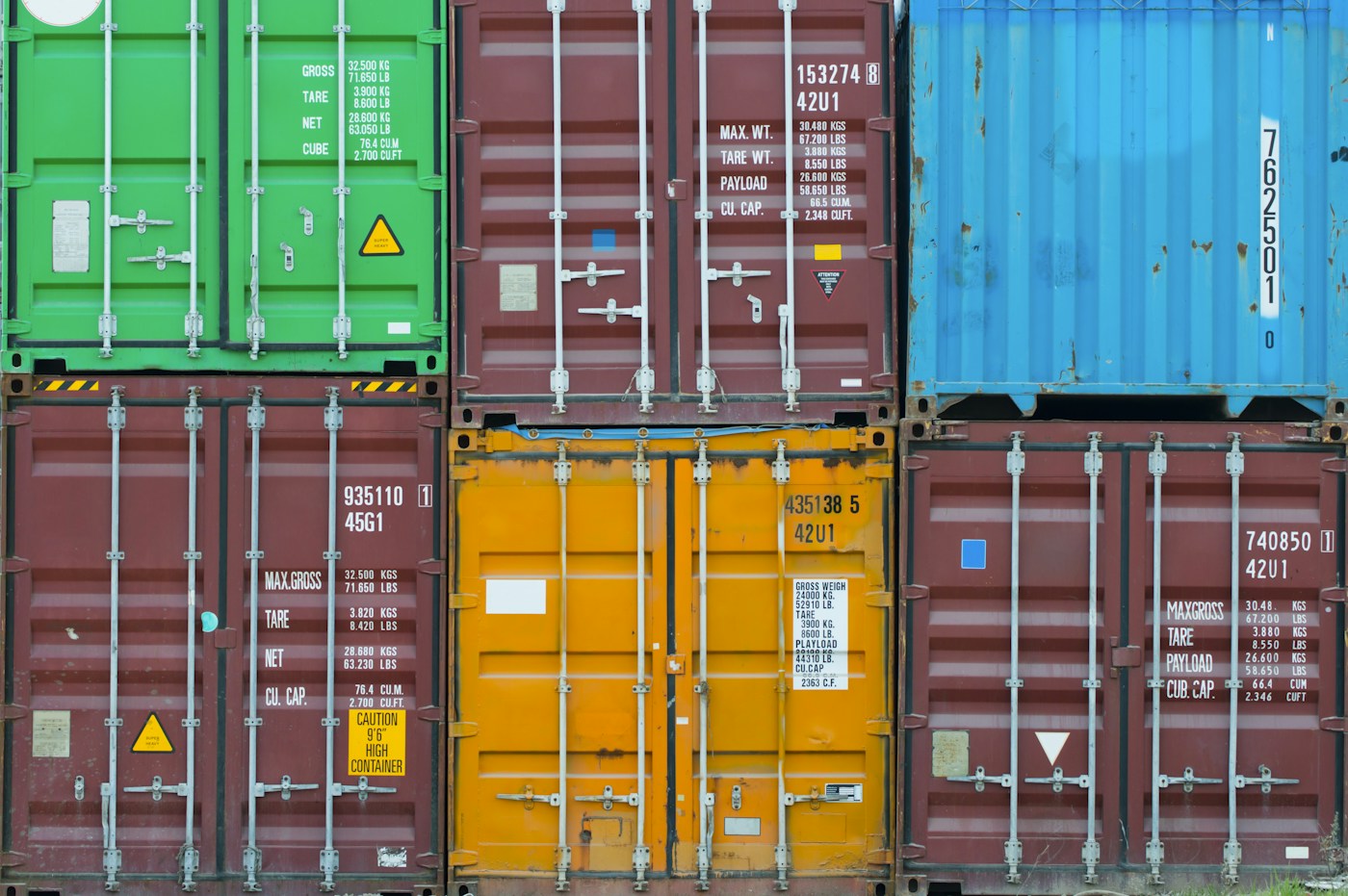
Gemini is expanding Suez routings gradually
Hapag-Lloyd says six Gemini services currently use the Red Sea and Suez route. Its new SE5 service is scheduled to begin from Shanghai on November 22 and connect Asian ports with Algeciras and Tangier Med. Management expects nearly all Gemini services to return to Suez routings in the first quarter of 2027 if conditions allow; that remains a conditional plan, not a guaranteed network schedule.
Shorter voyages can release capacity but create transition risks
Routing through Suez instead of around Africa lets ships complete rotations faster, increasing effective capacity without adding vessels. A phased change can reduce vessel bunching, but port congestion and security risks remain. Freightos has also warned that 2027 fleet growth and additional Red Sea transits could pressure rates if cargo demand does not keep pace.
U.S. import pricing remains high for now
Freightos Baltic Index figures cited in the October 20 report show Asia–U.S. West Coast pricing largely unchanged at $8,126 per 40-foot equivalent unit and East Coast pricing up 1% to $9,700. These are lane-level spot indicators, not door-to-door quotes; inland transport, port charges, equipment and service terms remain additional variables.
Understanding the update
Carrier schedules and security conditions can change quickly. Announced Suez routings do not guarantee a particular vessel will sail that route or arrive on the published date.
What it means for drivers and carriers
U.S. importers should compare current coast-by-coast quotes, confirm vessel routing and allocation, and maintain inland and inventory buffers while networks transition.
Questions to consider
- Is the booked vessel confirmed to use Suez, and what contingency applies if routing changes?
- Do projected ocean savings outweigh possible reliability and cargo-security exposure?
Read the original reporting
This page provides an original summary and practical commentary. The linked source contains the full reporting. Older stories reflect information available on their published dates.
Read the source at FreightWaves / Freightos ↗ (opens in a new tab)