
Intermodal strategy, rail networks & capacity
Schneider will shift its primary eastern intermodal rail business to Norfolk Southern
· Source: Schneider / Norfolk Southern / FreightWaves
Schneider and Norfolk Southern announced a strategic agreement that will move Schneider's primary eastern rail service from CSX to Norfolk Southern beginning in January. The companies say the change will broaden market access and support truck-to-rail conversion, while any future single-line transcontinental advantage still depends on approval and completion of Union Pacific's proposed Norfolk Southern merger.
Summary and practical context by RoadHouse Recruiting · Reviewed
The provider transition is scheduled, not yet complete
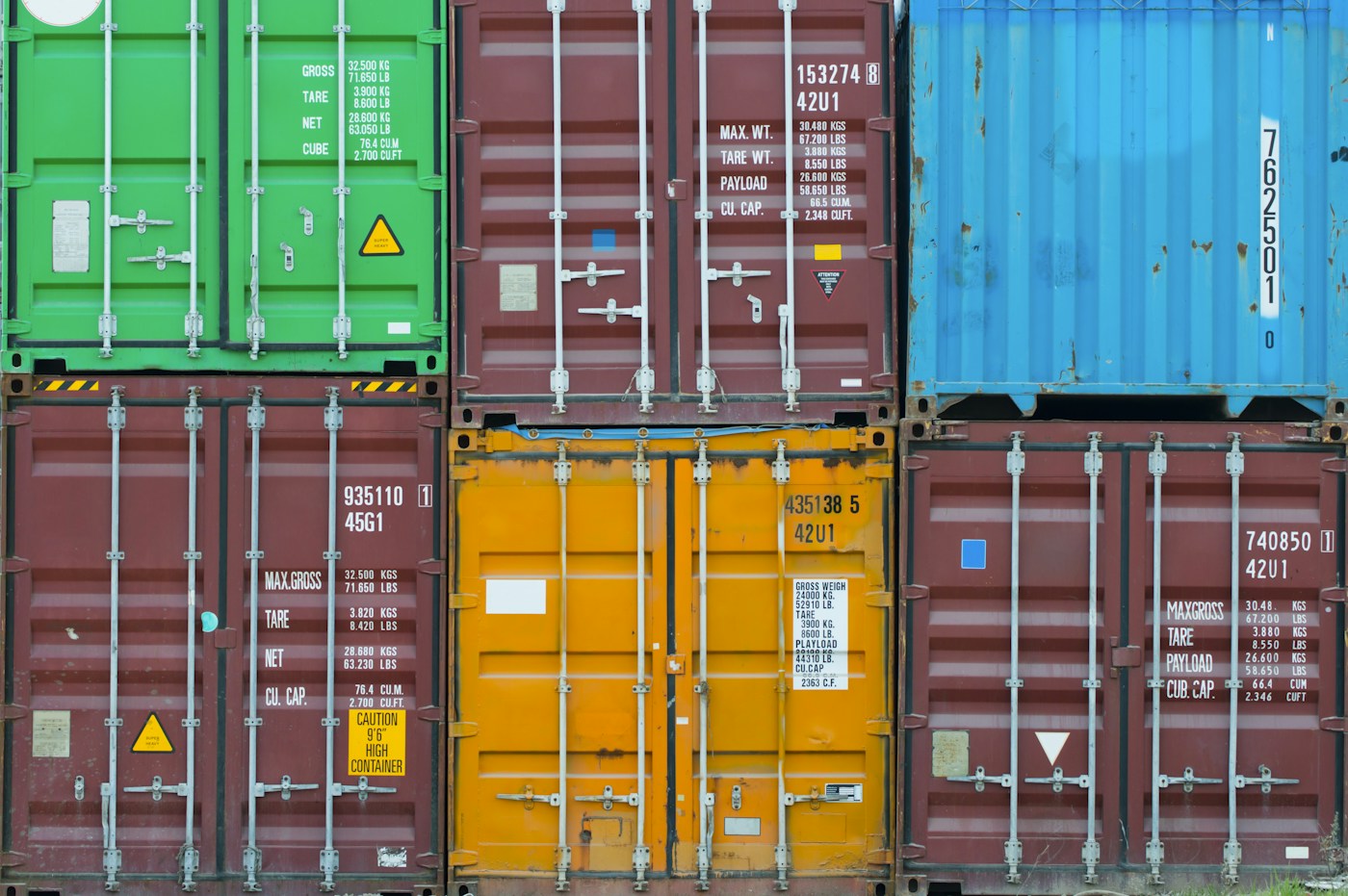
Schneider says the new service starts in January and will pair its company drivers, tractors, 23,900 chassis and 26,800 containers with Norfolk Southern's eastern network. FreightWaves reports CSX had been Schneider's primary eastern provider. Shippers should confirm conversion dates and lane-specific cutovers rather than assume all eastern freight changes immediately.
The commercial goal is more intermodal reach and truck conversion
Norfolk Southern says its 22-state network can expand Schneider's access to eastern markets and create more opportunities to convert over-the-road truckload freight. The railroad's intermodal volume increased 3% in the third quarter, but that networkwide figure does not guarantee available capacity, transit or savings on a specific lane.
The transcontinental claim is conditional
Schneider already shifted its western intermodal business to Union Pacific in 2023. Management says the Norfolk Southern agreement could make Schneider an entirely asset-based provider on a single-line transcontinental railroad if Union Pacific's proposed acquisition of Norfolk Southern is approved and completed. The merger remains proposed, so it should not be treated as current network structure.
Schneider's quarter shows a mixed freight backdrop
Schneider reported $1.59 billion in consolidated revenue and raised the lower end of its adjusted earnings guidance, while truckload revenue excluding fuel was essentially flat. Revenue per truck improved as the average tractor count declined, suggesting tighter asset deployment rather than broad volume growth.
What shippers and drayage partners should do
RoadHouse perspective: request a lane-level transition schedule, terminal pairs, cutoffs, free time, chassis rules, dray coverage and service remedies. Compare the complete door-to-door cost and reliability with CSX, truckload and other intermodal options; a strategic network announcement is not a guaranteed rate or transit improvement.
Understanding the update
Schneider and Norfolk Southern issued matching primary announcements on October 29. FreightWaves independently reported the switch from CSX, the January start and Schneider's operating context. Statements about future capacity, truck conversion and a transcontinental network are forward-looking.
What it means for drivers and carriers
The rail-provider change could expand Schneider's eastern intermodal options, but customers should manage the January cutover lane by lane and separate the current agreement from the still-pending railroad merger.
Questions to consider
- When will each origin-destination pair move to Norfolk Southern?
- What changes in terminals, schedules, free time, chassis or dray responsibility?
- How does the complete intermodal service compare with truckload on cost and reliability?
Read the original reporting
This page provides an original summary and practical commentary. The linked source contains the full reporting. Older stories reflect information available on their published dates.
Read the source at Schneider / Norfolk Southern / FreightWaves ↗ (opens in a new tab)