
Autonomous trucking & refrigerated freight
DTL signs binding agreement for 75 Kodiak-equipped driverless trucks
· Source: Kodiak AI / FreightWaves
DTL Transport agreed to own and operate 75 trucks equipped with the Kodiak Driver and pay a per-mile Driver-as-a-Service fee for Sun Belt lanes. The agreement is binding, but Kodiak has not yet launched driverless interstate highway service, and the parties did not disclose pricing, delivery timing or when each truck will operate without a driver.
Summary and practical context by RoadHouse Recruiting · Reviewed
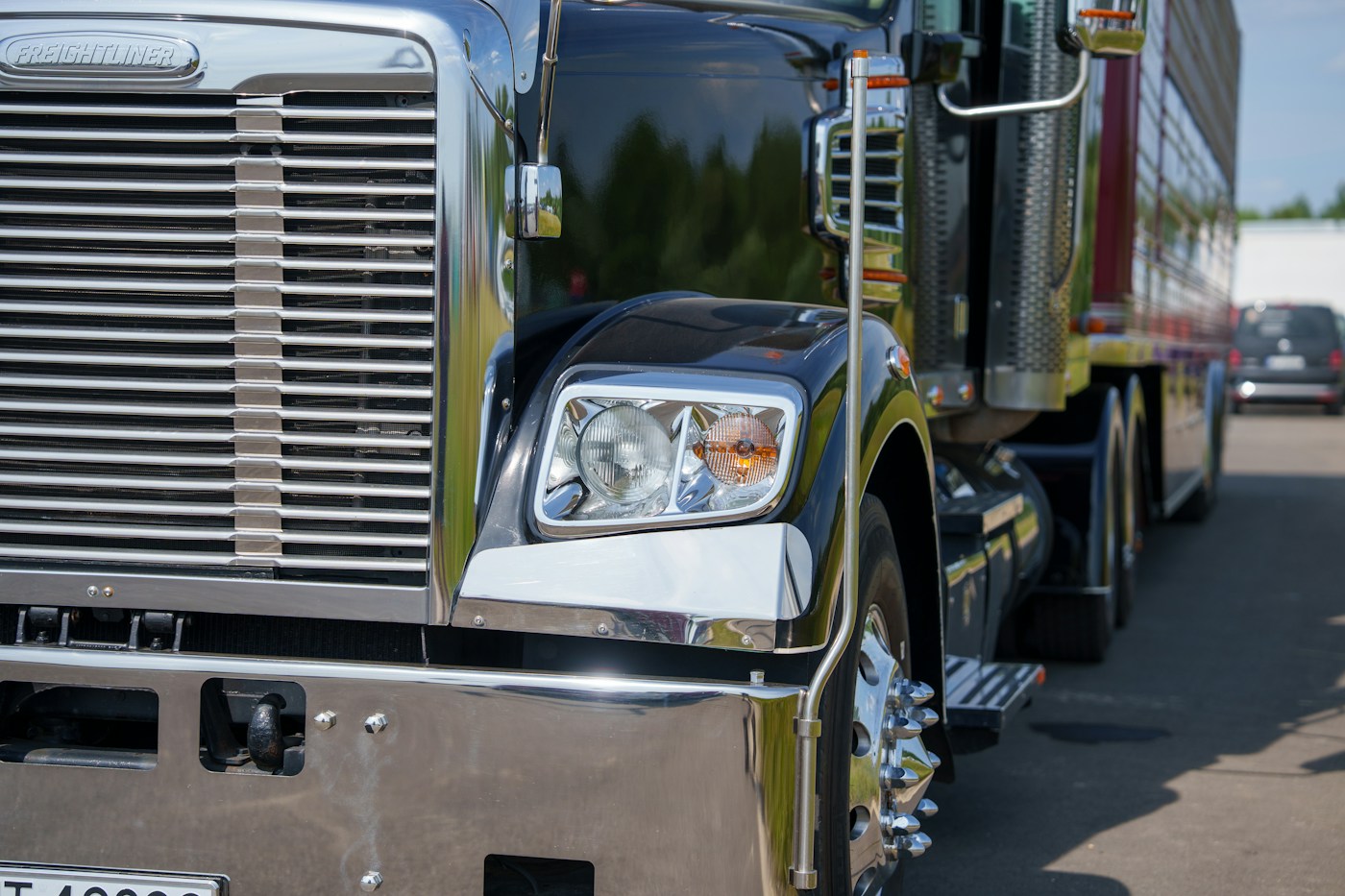
The carrier will own the trucks and pay for the driver system by the mile
DTL, a California carrier specializing in team-operated dry and refrigerated freight, will own and operate the 75 trucks while paying Kodiak a per-mile technology fee. The parties call it a definitive agreement, but they did not disclose the fee, contract duration, truck-delivery schedule or minimum utilization commitments.
Initial lanes target long team-run corridors
Kodiak says deployment will begin on Interstate 10 between Dallas and El Paso and Interstate 20 between Dallas and Atlanta, with additional lanes later. Those corridors can benefit from operation beyond a solo driver's hours window, but the announcement does not state that DTL's current teams will be removed or replaced on a specific date.
The California produce pilot still used a safety driver
DTL and Kodiak previously hauled perishable freight 225 miles between Fresno and Los Angeles under a California testing permit. A safety driver remained behind the wheel. The pilot demonstrates a freight movement and testing relationship, not completed authorization for unmanned commercial operation in every state on the planned routes.
Driverless interstate service remains a future milestone
Kodiak plans to launch driverless highway service on a Dallas–Houston IKEA lane by year-end and still must complete its long-haul safety case. Its existing driverless fleet serves a private-road industrial application in the Permian Basin. Public-highway performance, remote support, roadside response and state-by-state operating requirements remain central execution questions.
What carriers, drivers and shippers should watch
RoadHouse perspective: distinguish a signed fleet commitment from active unmanned service. Before tendering sensitive produce or expedited freight, obtain lane-specific operating status, cargo-claim responsibility, refrigeration monitoring, incident response, fallback-driver plans and insurance terms. Drivers should look for actual staffing and role changes rather than assume the announcement immediately removes team positions.
Understanding the update
Kodiak's October 28 release supplies the contract structure and planned lanes. FreightWaves independently examined DTL's fleet, the safety-driver pilot, Kodiak's current industrial deployment and the remaining public-highway safety milestone. Commercial timing and per-mile economics were not disclosed.
What it means for drivers and carriers
The 75-truck commitment is commercially significant, but it is not 75 driverless highway trucks operating today; deployment depends on safety, production, insurance and lane-level approvals.
Questions to consider
- When will each route operate without a safety driver, and under what authority?
- Who handles roadside events, cargo claims and refrigeration failures?
- What per-mile fee, utilization and fallback costs determine the actual economics?
Read the original reporting
This page provides an original summary and practical commentary. The linked source contains the full reporting. Older stories reflect information available on their published dates.
Read the source at Kodiak AI / FreightWaves ↗ (opens in a new tab)