
Autonomous trucking, drayage & warehouse transportation
Humble Robotics raises $51 million for cabless electric freight-hauler pilots
· Source: Humble Robotics / FreightWaves / Business Insider
Humble Robotics raised a $51 million Series A to move its purpose-built autonomous electric Class 8 hauler into customer pilots, testing and early manufacturing. The company is targeting sub-250-mile dock-to-dock work including port drayage and warehouse routes, but has not publicly identified pilot customers or demonstrated commercial-scale operations.
Summary and practical context by RoadHouse Recruiting · Reviewed
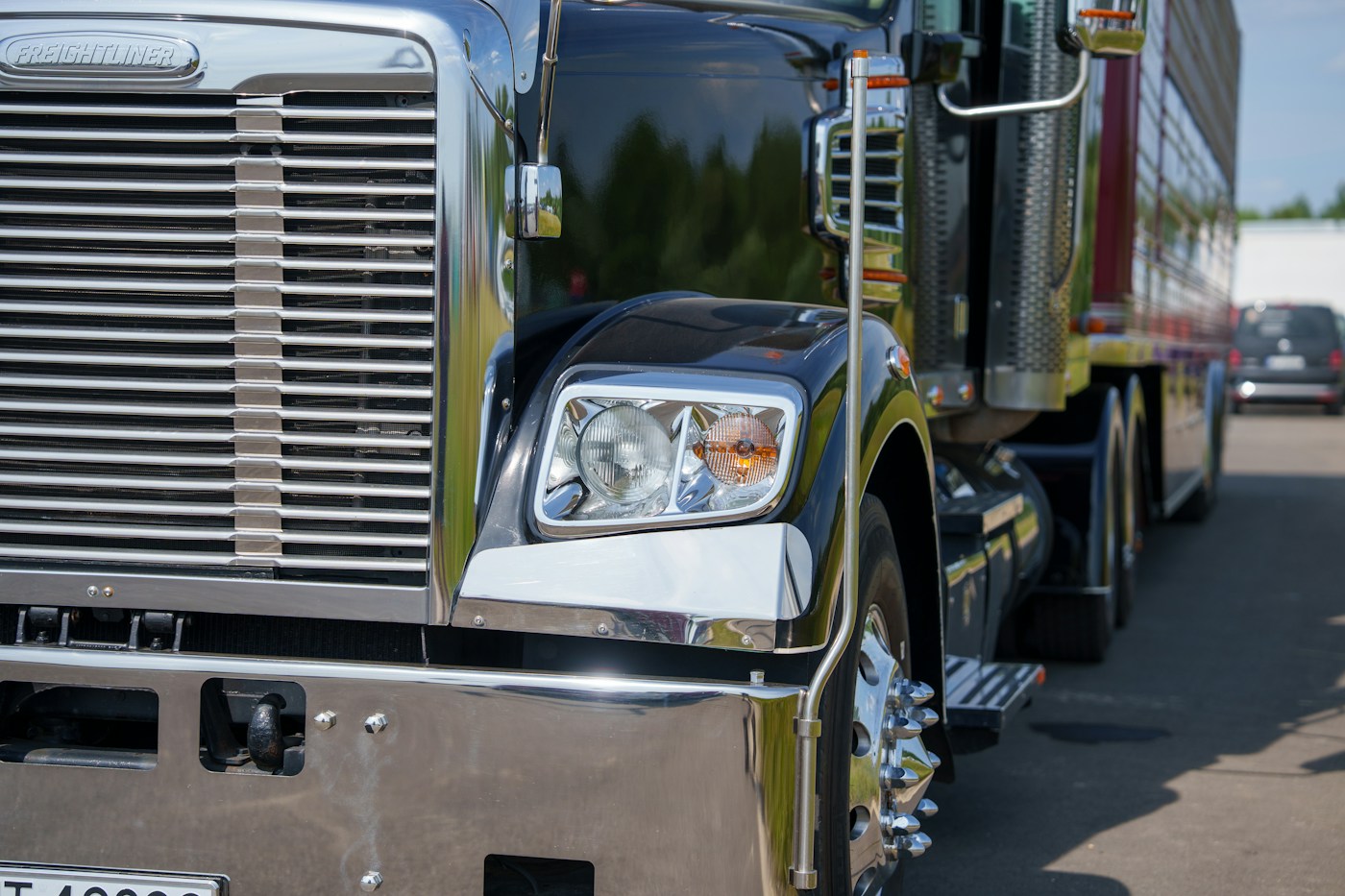
The financing funds pilots, testing and early production
The round brings Humble's disclosed funding to $75 million less than a year after its founding. Obvious Ventures led the financing, with Eclipse, Energy Impact Partners and other investors participating. Funding is not the same as revenue, a customer order or regulatory approval; it gives the company capital to develop and test the system.
The vehicle targets defined regional freight work
Humble describes the Hauler as a cabless, electric Class 8 platform designed around vision-based autonomy. FreightWaves reports the first use cases are planned around port drayage and warehouse-to-warehouse moves under 250 miles. The company intends to sell vehicles to third-party operators rather than operate a carrier fleet itself.
Important operating details remain undisclosed
Public materials do not identify customers, pilot sites, unit pricing, production capacity, range under payload, charging requirements or a commercial deployment date. Independent reporting says customer pilots are the next milestone. Those gaps matter because controlled demonstrations do not establish reliability in mixed traffic, terminal congestion or adverse weather.
What ports, warehouses and carriers should evaluate
RoadHouse perspective: require a defined operational design domain, remote-assistance plan, insurance structure, charging schedule, yard and gate integration, maintenance support and incident-response process. Compare cost per productive move after charging and supervision—not only the absence of a cab or driver seat.
Understanding the update
Humble supplies the financing amount and product claims. FreightWaves independently reports the target routes, ownership model and pilot stage, while Business Insider profiles the founder and technology. No named customer, verified commercial performance dataset or production commitment was public when reviewed.
What it means for drivers and carriers
The financing advances a credible autonomous-freight development program, but Humble remains at the pilot stage and has not yet proven commercial-scale safety, cost or reliability.
Questions to consider
- Which customer sites and public-road segments are included in the pilots?
- What range, payload, charging and remote-support assumptions define the operating case?
- Who carries liability and controls the vehicle during an exception or communications loss?
Read the original reporting
This page provides an original summary and practical commentary. The linked source contains the full reporting. Older stories reflect information available on their published dates.
Read the source at Humble Robotics / FreightWaves / Business Insider ↗ (opens in a new tab)