
Freight brokerage, cargo security & identity fraud
Compromised communications appear in 40% of Highway’s reported Q3 stolen loads
· Source: Highway / FreightWaves / FBI Internet Crime Complaint Center
Highway’s third-quarter Freight Fraud Index attributes 40.2% of 184 stolen loads reported in its network to compromised communications, while carrier-ownership change reports more than doubled from the prior quarter. The findings reinforce FBI warnings about spoofed messages and carrier-account takeovers, but Highway’s vendor-network data are not a national cargo-theft rate.
Summary and practical context by RoadHouse Recruiting · Reviewed
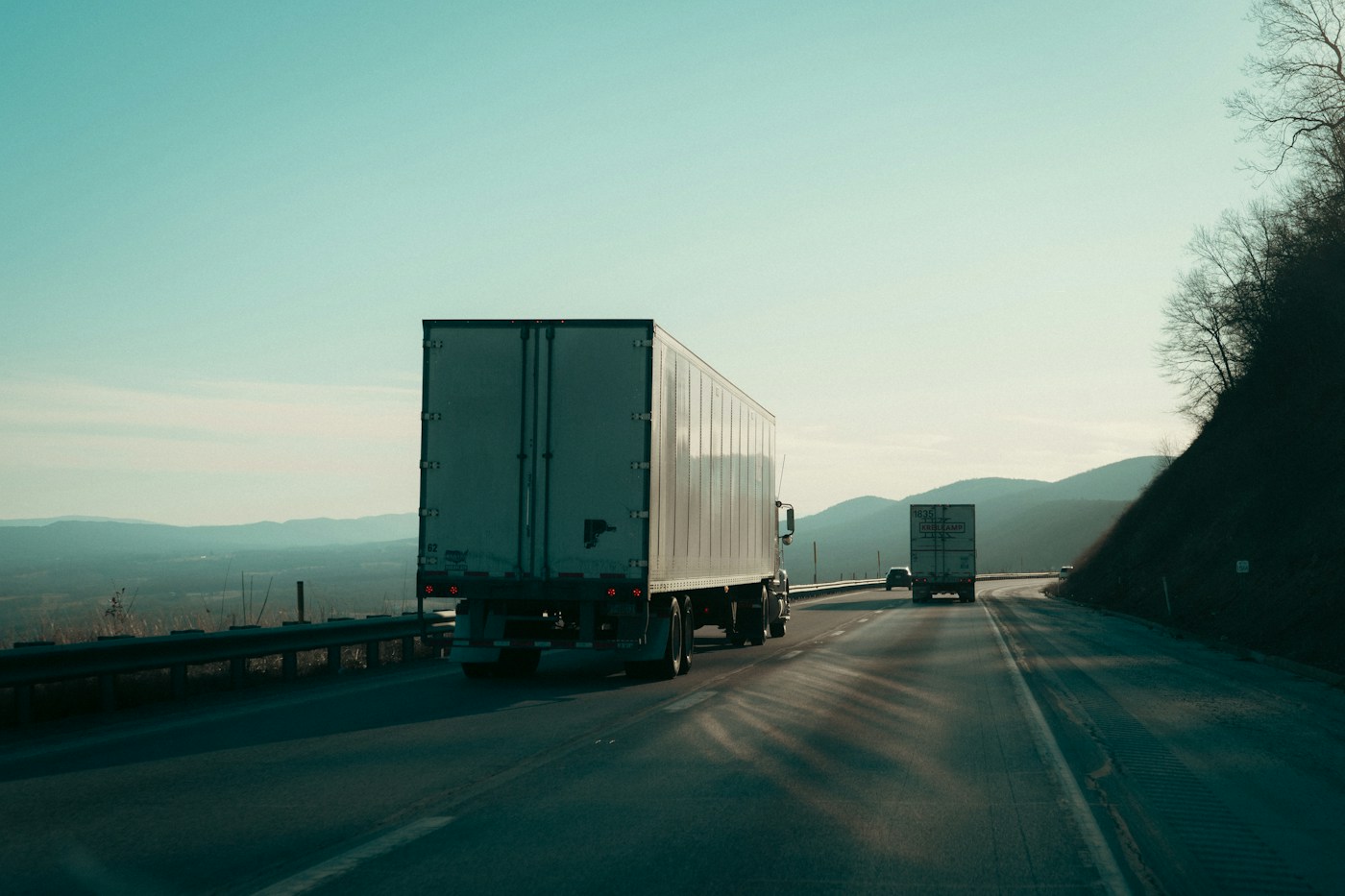
Reported thefts fell from Q2 but remained above last year
Highway recorded 184 stolen-load incidents in its network from July through September, down 28.1% from the second quarter but 8.2% higher than a year earlier. Highway partly credits stronger identity checks and authenticated rate confirmations, while cautioning that no single control explains the decline. The count covers incidents reported to Highway and should not be treated as a nationwide total.
Communication compromise was the largest reported route to a stolen load
Compromised communications accounted for 40.2% of Highway’s Q3 stolen-load reports. Criminals can take over a legitimate carrier inbox, spoof a familiar domain or telephone number, and obtain rate confirmations, pickup numbers or destination changes after the carrier already passed onboarding. Highway blocked 670,230 fraudulent inbound emails during the quarter, 10.6% more than a year earlier, and reported a 90.3% year-over-year increase in fraudulent or spoofed calls.
The FBI describes the same account-takeover pattern
The FBI’s April industry alert says cybercriminals use spoofed emails, fake URLs and compromised broker or carrier accounts to post fraudulent loads, impersonate legitimate businesses, redirect cargo and sometimes demand ransom. The bureau recommends independent, multi-channel verification before releasing a load and preserving driver, vehicle, license plate, company-number and communication records for investigators.
Established authority does not confirm who controls it today
Highway received 518 carrier-ownership change reports in Q3, up 111.4% from the previous quarter and 12.4% year over year. Direct theft by the booked carrier represented 36.4% of reported stolen loads even though the number of such incidents fell 16% quarter over quarter. A carrier’s operating history, insurance and equipment may be legitimate while the person communicating under that identity is unauthorized or the business recently changed hands.
License associations require careful interpretation
Highway reported that 87% of direct-theft events involved a carrier with at least one user whose prior 90-day records included a non-domiciled or limited-term CDL designation. The company did not provide the corresponding prevalence across its full carrier network. Without that baseline, the figure cannot establish disproportionate risk, prove that a flagged user moved or stole the load, or support a claim that non-domiciled CDL holders generally commit more theft.
What brokers, carriers and shippers should do
RoadHouse perspective: verify the individual and pickup equipment on every load, not only the carrier record at onboarding. Call a known number obtained independently when bank details, driver identity, pickup instructions, destination or communication channel changes; use multifactor authentication and mailbox-rule alerts; restrict access to rate confirmations; photograph tractor, trailer, driver and seal at pickup; and escalate mismatches before freight leaves the facility.
Understanding the update
Highway’s figures measure activity detected or reported within its commercial network and may reflect its customers, controls and reporting practices. FreightWaves independently questioned the company about definitions, comparisons and the missing network-wide baseline for the license association. The FBI alert corroborates the broader account-takeover and impersonation methods but does not validate Highway’s percentages.
What it means for drivers and carriers
A clean carrier profile is no longer enough: brokers and shippers need transaction-level verification because a trusted email, phone number or operating authority can be compromised after onboarding.
Questions to consider
- Was the dispatcher, driver and pickup equipment verified through an independently obtained contact method?
- Did any payment, destination, driver or communication detail change after tender?
- Are mailbox, load-board and TMS accounts protected with multifactor authentication and monitored for unauthorized rules?
Read the original reporting
This page provides an original summary and practical commentary. The linked source contains the full reporting. Older stories reflect information available on their published dates.
Read the source at Highway / FreightWaves / FBI Internet Crime Complaint Center ↗ (opens in a new tab)Sources used for verification
- Highway Freight Fraud Index reports and methodology landing page — reviewed November 7, 2026 ↗ (opens in a new tab)
- FBI warning on cyber-enabled strategic cargo theft — April 30, 2026 ↗ (opens in a new tab)
- The Trucker report on Highway’s Q3 findings and carrier-account takeovers — November 4, 2026 ↗ (opens in a new tab)