
Cross-border logistics & warehousing
DSV opens integrated Laredo hub for U.S.–Mexico freight
· Source: DSV
DSV has opened an 853,000-square-foot Laredo complex that combines road, air and sea forwarding, contract logistics, warehousing and customs capabilities near Interstate 35. The roughly $90 million project adds bonded and Foreign-Trade-Zone options at a major truck gateway, but shippers still need lane-specific confirmation of capacity, cutoff times and customs responsibility.
Summary and practical context by RoadHouse Recruiting · Reviewed
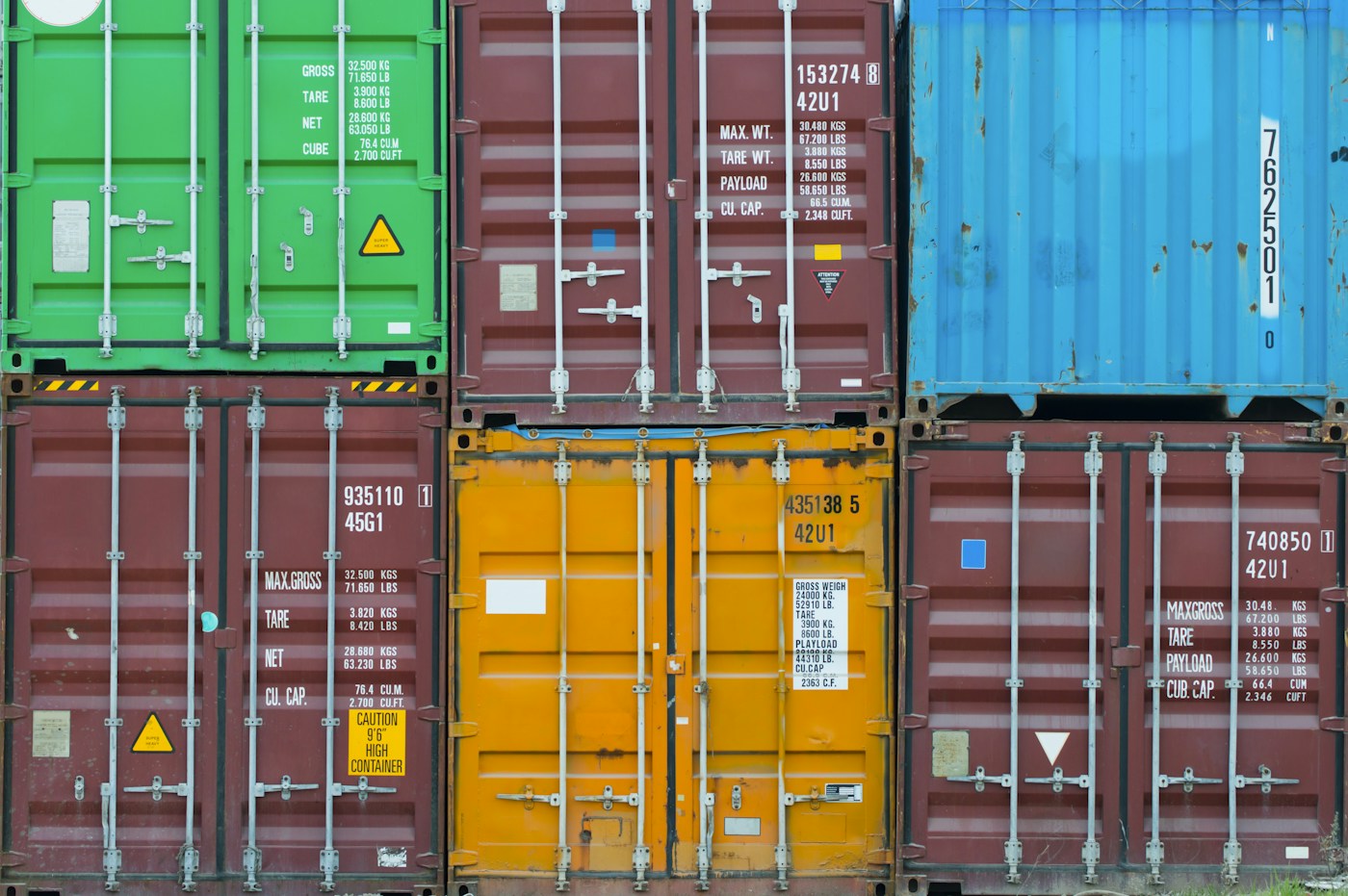
The hub consolidates multiple logistics services
DSV's facility provides 853,000 square feet of warehouse space, 85 dock doors, four ramp doors and 40-foot clearances on a 49-acre site in Port Grande Logistics Park. The company says it combines road transport, air and sea forwarding and contract logistics, with cross-docking, inventory, fulfillment and distribution capabilities.
Bonded and Foreign-Trade-Zone functions support border freight
DSV says the site supports its OptiMex cross-border service and includes bonded and Foreign-Trade-Zone designations. FreightWaves reports northbound U.S. customs services and on-site Mexican customs processing. These capabilities can reduce handoffs, but actual clearance timing still depends on complete documents, inspections, broker coordination and border conditions.
The opening expands existing operations rather than creating a new gateway
DSV described the project at its 2025 groundbreaking as a relocation and expansion of existing Laredo operations, with contract logistics added to the hub. FreightWaves also notes a new McAllen office and existing border operations in Brownsville, El Paso, Los Indios and San Diego. The $90 million figure reflects the announced project investment; it is not a measure of freight volume or shipper savings.
Local commitments remain separate from operating performance
Local reporting on the city's performance-based incentive agreement described at least 172 qualifying jobs and potential property-tax rebates if targets are met. Those commitments do not establish current headcount, warehouse utilization, customs throughput or service reliability. Shippers should request operating metrics and service terms directly.
What cross-border shippers and carriers should verify
RoadHouse perspective: confirm which entity is importer or exporter of record, the U.S. and Mexican customs-broker roles, bonded-movement authority, transload cutoffs, trailer-pool rules, detention clocks and exception ownership. Test visibility across every handoff rather than assuming an integrated building automatically produces an integrated data trail.
Understanding the update
DSV's official project page provides the facility specifications and intended services; FreightWaves independently confirmed the opening and operational scope. Local reporting documents the earlier investment and incentive framework. The building is open, but no public throughput, utilization or service-performance data were disclosed.
What it means for drivers and carriers
The Laredo hub can reduce physical handoffs for some U.S.–Mexico freight, but users should validate customs accountability, cutoffs, capacity and detention terms lane by lane before consolidating volume.
Questions to consider
- Which DSV entity and customs broker owns each cross-border filing and exception?
- What are the confirmed transload cutoffs, dwell targets and trailer-pool rules?
- Can shipment visibility follow the freight across Mexican, border and U.S. handoffs without gaps?
Read the original reporting
This page provides an original summary and practical commentary. The linked source contains the full reporting. Older stories reflect information available on their published dates.
Read the source at DSV ↗ (opens in a new tab)