
Ports, Rail & Freight Infrastructure
Coos Bay receives $204.8 million rail grant for proposed container gateway
· Source: Office of U.S. Senator Jeff Merkley
Oregon's congressional delegation announced $204.8 million in federal CRISI funding for final design and construction upgrades to the 111-mile Coos Bay Rail Line. The work supports the proposed Pacific Coast Intermodal Port, but the more-than-$2 billion container terminal still requires additional funding, permitting and environmental review.
Summary and practical context by RoadHouse Recruiting · Reviewed
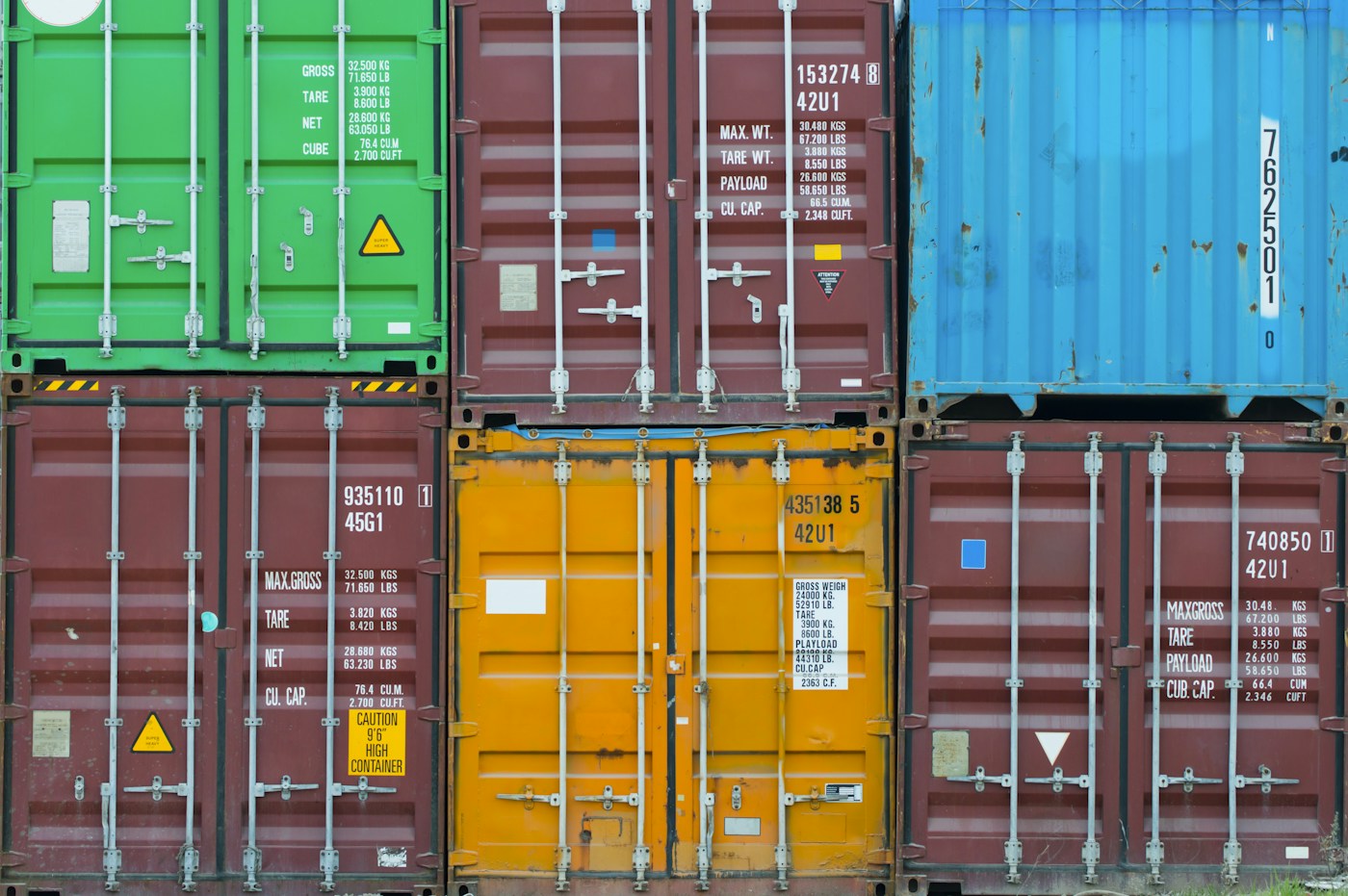
The award funds the rail connection, not the full terminal
The Consolidated Rail Infrastructure and Safety Improvements grant will support track, tie, bridge and tunnel work intended to increase capacity and reliability between Coos Bay and the Eugene area. It is the first large construction award tied to the port proposal. The separate deepwater terminal would transfer containers directly between vessels and rail.
The container gateway remains a proposal with major milestones ahead
The port project is priced above $2 billion and remains years from opening. Additional capital, permits and environmental approvals are still required. FreightWaves reported proposals for permitting and review assistance are due October 28, followed by environmental analysis and public-comment opportunities. Supporters' claims about 2,500 permanent jobs and 2,500 construction jobs are projections, not current employment.
A ship-to-rail model would reshape regional freight flows if completed
The proposed gateway would compete with Portland, Seattle, Tacoma, Vancouver and Prince Rupert for Pacific Northwest container traffic, relying heavily on rail rather than a large local drayage market. Shippers would still need competitive ocean services, inland connections, reliable schedules and sufficient terminal throughput before the facility could become a practical routing alternative.
Understanding the update
The $204,771,601 grant is announced federal funding for rail improvements. It is not authorization, financing or completion of the entire container terminal. Cost, schedule, cargo-volume and job projections may change through design, permitting, environmental review and carrier negotiations.
What it means for drivers and carriers
Pacific Northwest shippers and intermodal providers should track the rail construction and permitting milestones as a long-term routing option, but should not place the proposed Coos Bay terminal into near-term capacity plans until ocean services, opening dates and inland schedules are confirmed.
Questions to consider
- When will the funded rail construction begin and which segments receive priority?
- How will the remaining terminal capital be financed?
- Which ocean carriers and inland rail partners would commit service to Coos Bay?
Read the original reporting
This page provides an original summary and practical commentary. The linked source contains the full reporting. Older stories reflect information available on their published dates.
Read the source at Office of U.S. Senator Jeff Merkley ↗ (opens in a new tab)