
Autonomous trucking, manufacturing & capital
Aurora keeps its 2027 scaling target despite a six-week truck-production delay
· Source: Aurora Innovation SEC filing / FreightWaves
Aurora reported $3 million in third-quarter revenue and a $257 million operating loss, cut its 2026 revenue forecast to about $9 million and moved its planned Roush production rate of 20 trucks a week from October to early December. It still targets more than 1,000 trucks by the end of 2027, but 1,000 announced customer trucks remain under nonbinding memoranda rather than final purchase agreements.
Summary and practical context by RoadHouse Recruiting · Reviewed
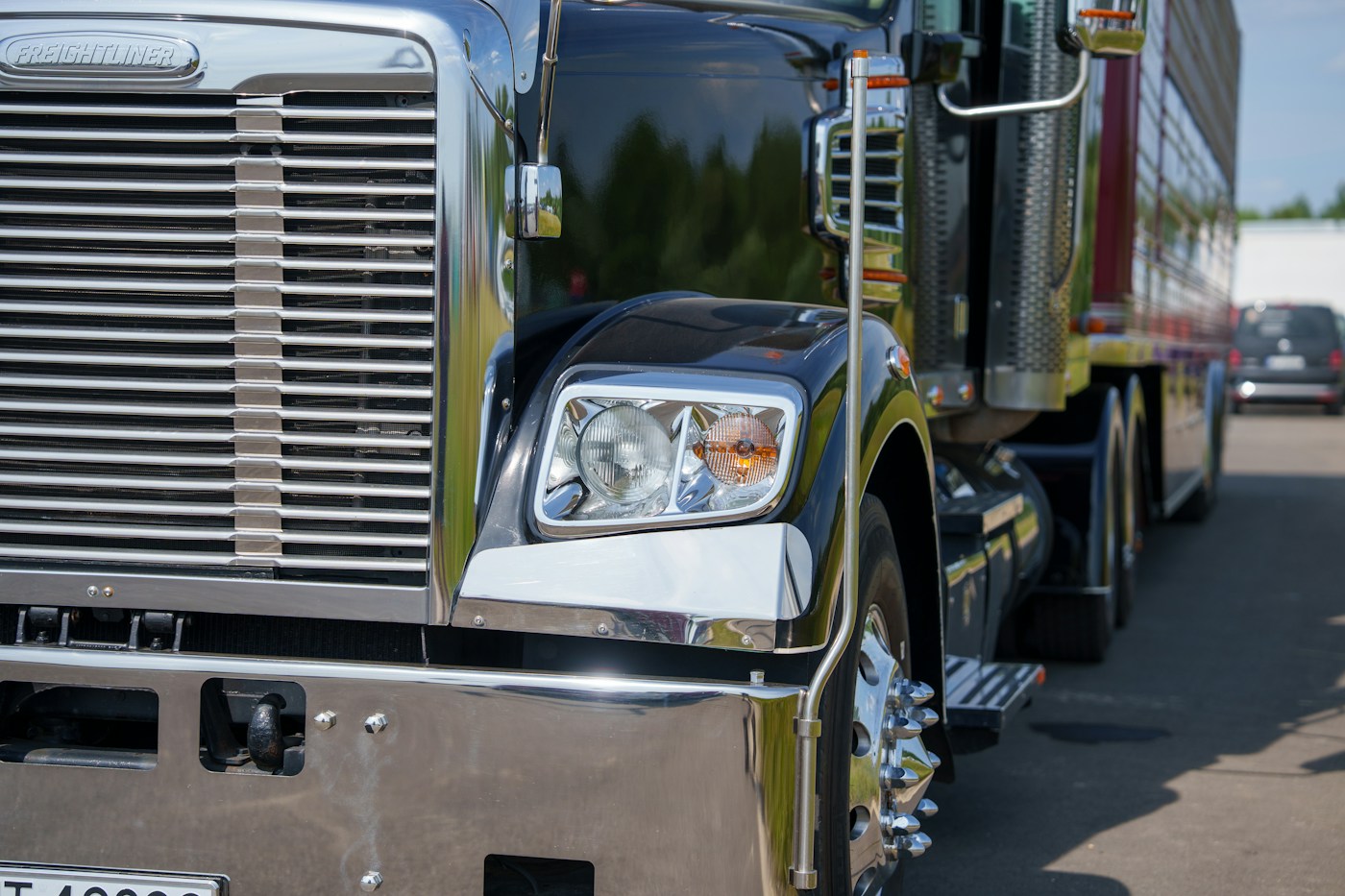
Manufacturing is about six weeks behind the earlier plan
Aurora says material shortages, component-quality problems and end-of-line testing issues slowed Roush's Michigan upfit line. The company now expects the facility to reach 20 trucks per week in early December instead of October and deliver 200 trucks by the end of February. It has changed suppliers for some components and is adding a second shift.
The 2027 target has not changed
Management still expects more than 1,000 Aurora Driver-powered trucks on the road by the end of 2027. Volvo Autonomous Solutions plans a first-quarter 2027 launch and more than 300 deployments that year, while PACCAR and other suppliers continue factory-integration work. These are company plans and depend on production, customer readiness and regulation.
Customer commitments are at different stages
Aurora says the first 200 trucks are fully contracted. Separate memoranda with Charger Logistics and Hirschbach cover 500 trucks each, but both MOUs are nonbinding and still require final agreements. Announced deliveries for Charger span 2027 and 2028, so the 1,000-MOU figure should not be confused with completed orders or active driverless trucks.
Cash use is arriving before scale revenue
Third-quarter revenue was $3 million, operating loss was $257 million and net loss was $234 million. Aurora expects roughly $250 million of fourth-quarter cash use as it buys hardware and builds fleet assets, while cash and short-term investments ended September at just over $1 billion. The company cut its 2026 revenue forecast from $14–$16 million to about $9 million.
What fleets and customers should verify
RoadHouse perspective: separate binding contracts from MOUs and demand route-level operating plans covering remote support, maintenance, weigh stations, customer-site access, incident response and liability. A fleet target is not usable freight capacity until trucks are built, accepted, contracted and authorized on the intended lanes.
Understanding the update
Aurora's shareholder letter and SEC-furnished financial statements provide the primary results, forecasts and customer descriptions. FreightWaves independently examined the manufacturing delay, cash use and difference between contracted trucks and nonbinding MOUs. Production and deployment dates remain forward-looking.
What it means for drivers and carriers
Aurora says the delay will not derail its 2027 scale plan, but fleets should treat the next Roush production milestone and conversion of MOUs into binding contracts as the evidence—not the 1,000-truck headline alone.
Questions to consider
- Is the fleet commitment binding, and what delivery and acceptance conditions apply?
- Who handles maintenance, remote assistance, incident response and liability on each lane?
- What production and customer-site milestones must be completed before revenue service begins?
Read the original reporting
This page provides an original summary and practical commentary. The linked source contains the full reporting. Older stories reflect information available on their published dates.
Read the source at Aurora Innovation SEC filing / FreightWaves ↗ (opens in a new tab)